
I’ve discovered something interesting during my weight-loss journey.
Losing weight and learning how to eat properly while losing weight are two completely different challenges.
I’ve made significant progress with my weight, and I’m genuinely happy about that. But there’s another side to the experience that I don’t think gets discussed nearly enough.
Sometimes, I simply don’t want to eat.
I’m not talking about skipping dessert or deciding I’m not hungry enough for an afternoon snack.
I’m talking about looking at an entire refrigerator full of food and finding absolutely nothing appealing.
And when I do feel like eating, the thought of preparing an actual meal can be exhausting.
Some days, meat sounds terrible. Other days, I’ll realize I’ve barely eaten anything, and suddenly, it’s late afternoon.
The problem is that I still need adequate nutrition.
I’m particularly focused on getting enough protein because I want to maintain my muscle as I lose weight and begin incorporating more strength training.
But protein isn’t my only concern. I also need to do a better job of eating fruits, vegetables, and other foods that provide the nutrients my body needs.
So I’ve started thinking about food differently.
Instead of asking myself what I should cook, I’m asking a much simpler question.
What can I realistically eat right now?
Because when your appetite is practically nonexistent, an elaborate meal plan isn’t particularly helpful.
Here are some high-protein meal and snack ideas I’m considering for those days when eating feels like another task on my to-do list.
Why Getting Enough Protein Has Become a Priority
Protein has always been important, but I’ve become much more conscious of it throughout my weight-loss journey.
I don’t want to reach my goal weight only to realize I’ve lost strength and muscle along the way.
And while I certainly want to improve my eating habits, I also know that I’m not going to accomplish everything overnight.
There’s a good reason to pay attention to protein during weight loss.
A joint clinical advisory published in 2025 explains that reduced appetite and changes in food preferences can make it difficult for people using GLP-1 medications to consume adequate protein. It also emphasizes that protein intake and resistance training work together to support muscle preservation.
That last part matters to me.
I don’t just want to lose weight. I want to get stronger.
However, there’s an important distinction between eating more protein and eating enough overall.
Protein shakes and high-protein snacks can be convenient, but they shouldn’t replace a balanced diet or become a way to ignore persistently inadequate food intake.
My goal is to find manageable ways to eat more consistently, not to survive on protein drinks.
1. Greek Yogurt Bowls
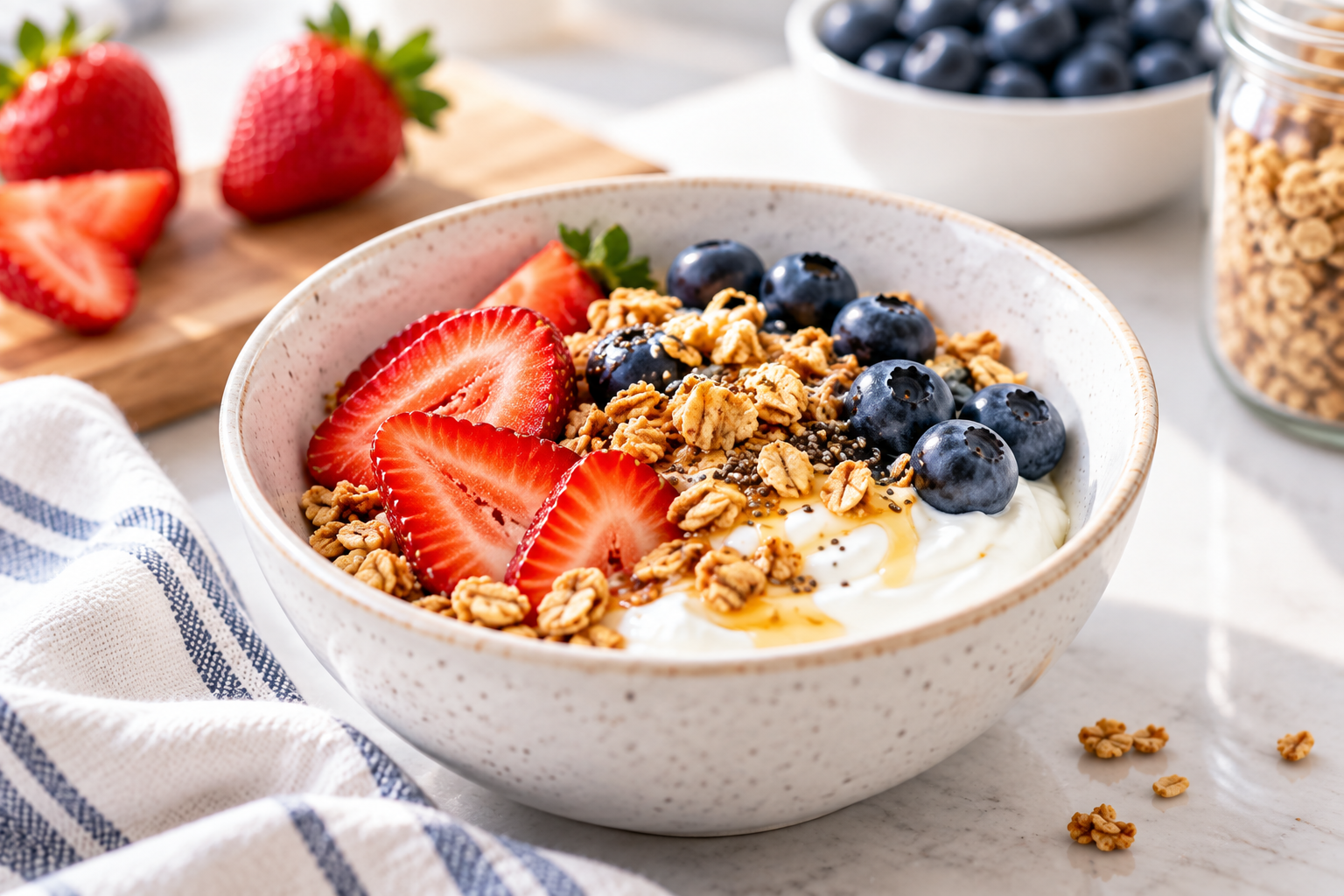
This might be one of the easiest places to start.
Greek yogurt doesn’t require cooking, it’s easy to keep in the refrigerator, and you can make the portion as small or large as you need.
I also like that it’s versatile.
You can eat it plain, add fruit, mix in a little granola, or experiment with different flavors.
And unlike preparing chicken or another substantial meal, it doesn’t require much effort.
My simple Greek yogurt bowl:
- Plain or flavored Greek yogurt
- A handful of strawberries or blueberries
- A little granola for crunch
- Optional: A small spoonful of nut butter
That’s it.
I’m not interested in creating an elaborate breakfast bowl with 15 ingredients.
I just want something easy.
Greek yogurt can also contribute calcium, which is another nutrient I’m trying to pay more attention to.
One thing worth checking is the nutrition label. Different brands and varieties have significantly different protein and added-sugar contents.
And if a full bowl feels overwhelming, there’s nothing wrong with starting with a smaller portion and eating something else later.
2. Protein Smoothies That Don’t Feel Like a Meal
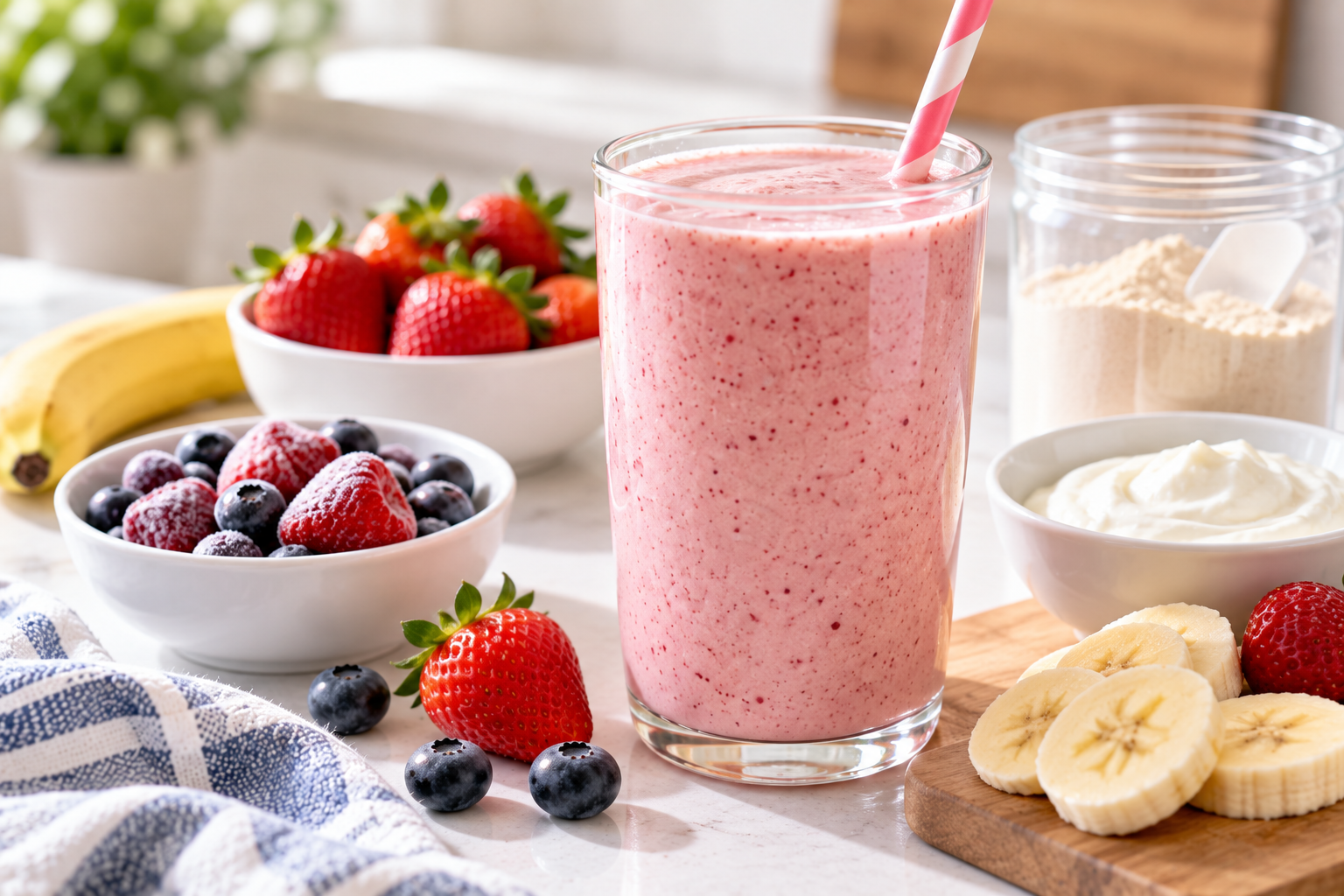
Some days, drinking something sounds considerably more appealing than chewing an entire meal.
That’s where smoothies might come in handy.
And I don’t mean the enormous smoothies that contain approximately 47 ingredients.
I’m talking about something simple.
My easy protein smoothie idea:
- Milk or fortified soy milk
- Greek yogurt
- A banana or frozen berries
- Optional: Protein powder, if appropriate for your nutritional needs
Blend everything together, and you’re done.
You can adjust the thickness and portion size depending on what sounds appealing.
I particularly like the idea of using frozen fruit because it means I don’t have to worry about fresh produce going bad before I get around to eating it.
And using milk and yogurt gives me another opportunity to include dairy and calcium.
One thing I wouldn’t do is automatically add multiple scoops of protein powder just to achieve an impressive number on a nutrition label.
If you’re struggling to eat enough, a registered dietitian can help determine whether a supplement makes sense and how it fits into your overall nutrition.
3. Eggs and Toast
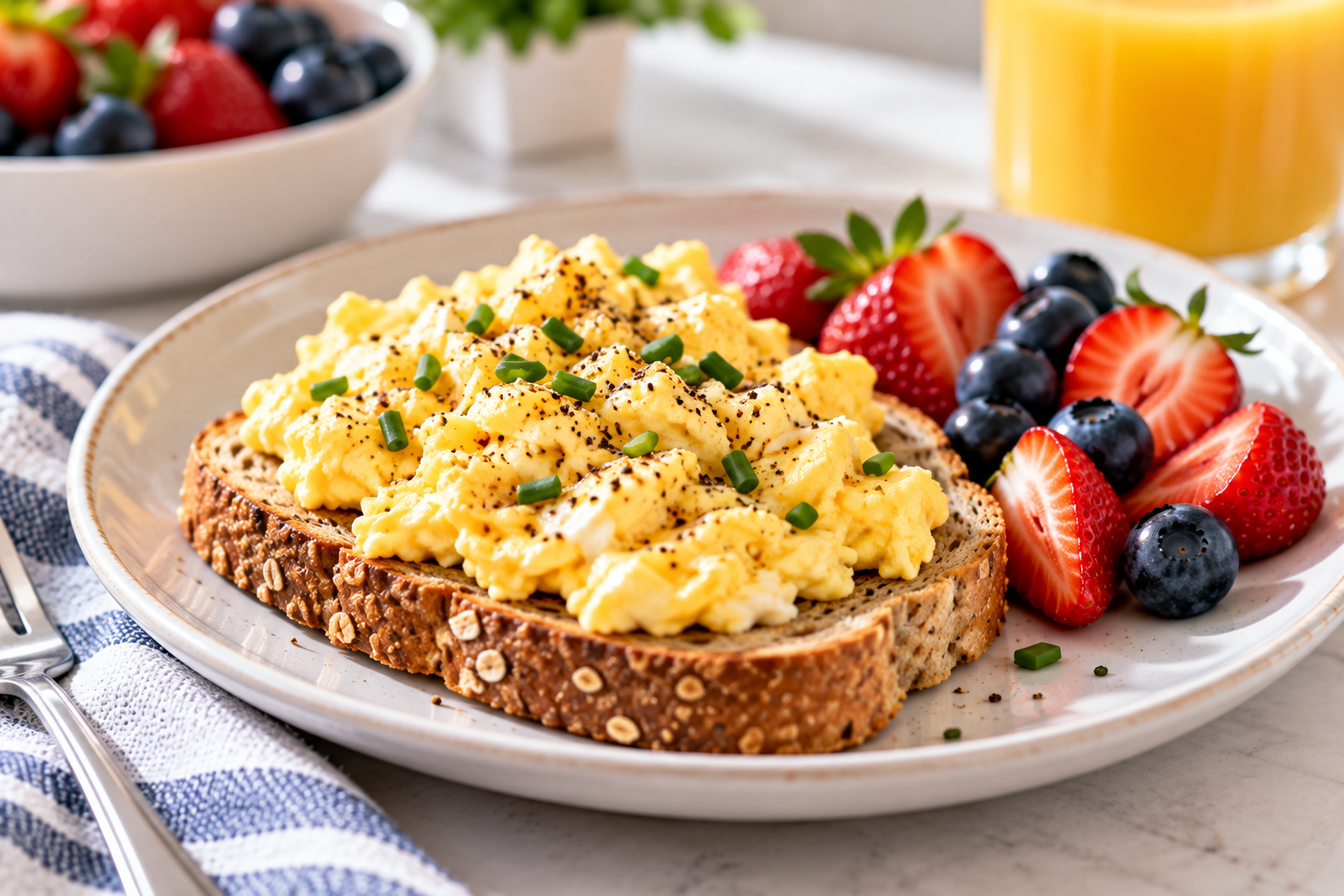
I know eggs are an obvious suggestion.
But there’s a reason they keep showing up in conversations about simple meals.
They’re versatile, relatively quick to prepare, and easy to combine with other foods.
The trick is figuring out what sounds appealing.
Sometimes, the thought of scrambled eggs might be fine.
Other times, a hard-boiled egg might be easier.
And sometimes, eggs won’t sound good at all.
That’s okay.
A few easy combinations:
- Scrambled eggs with whole-grain toast
- An egg and cheese breakfast sandwich
- Hard-boiled eggs with crackers and fruit
- A small breakfast burrito with eggs and beans
I also like that eggs are easy to prepare for the rest of the family.
You don’t necessarily need to cook an entirely separate meal.
If you’re keeping an eye on cholesterol or have specific dietary restrictions, discuss how eggs fit into your overall eating pattern with your healthcare professional.
4. Cottage Cheese With Fruit
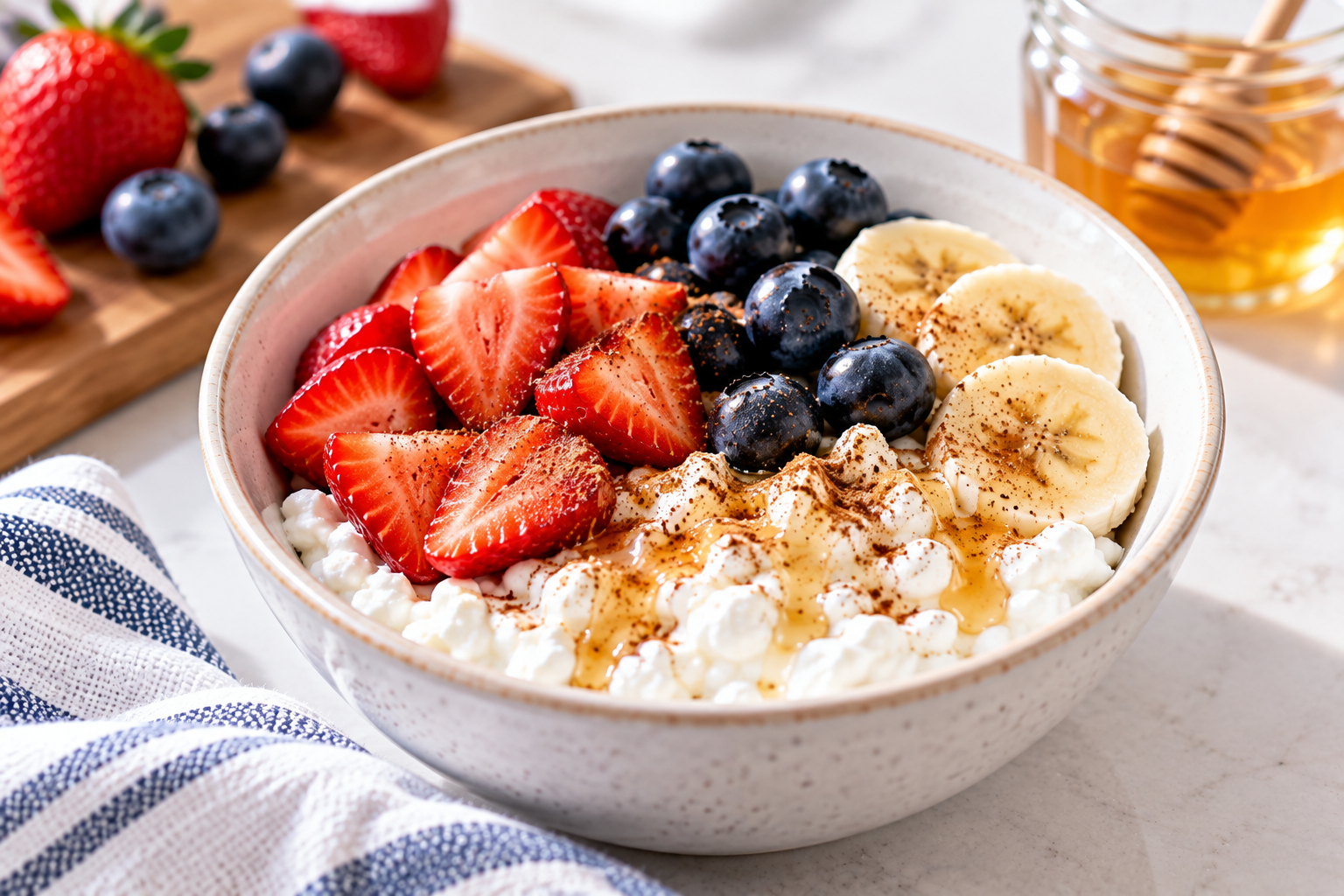
I’m including cottage cheese because it’s another convenient option that requires almost no preparation.
And that’s becoming a recurring theme here.
When I don’t feel like eating, I certainly don’t feel like spending 45 minutes cooking.
Cottage cheese provides protein, and many varieties also contribute calcium.
You can eat it with fruit, spread it on toast, or use it in recipes.
A few combinations worth trying:
- Cottage cheese with pineapple
- Cottage cheese with strawberries
- Cottage cheese on toast
- Cottage cheese with sliced tomatoes and crackers
Of course, texture matters.
If you don’t like cottage cheese, there’s absolutely no reason to force yourself to eat it.
Greek yogurt might be a better alternative.
The goal is to identify foods you’ll actually eat, not create a list of foods you think you’re supposed to enjoy.
5. Mini Chicken Quesadillas
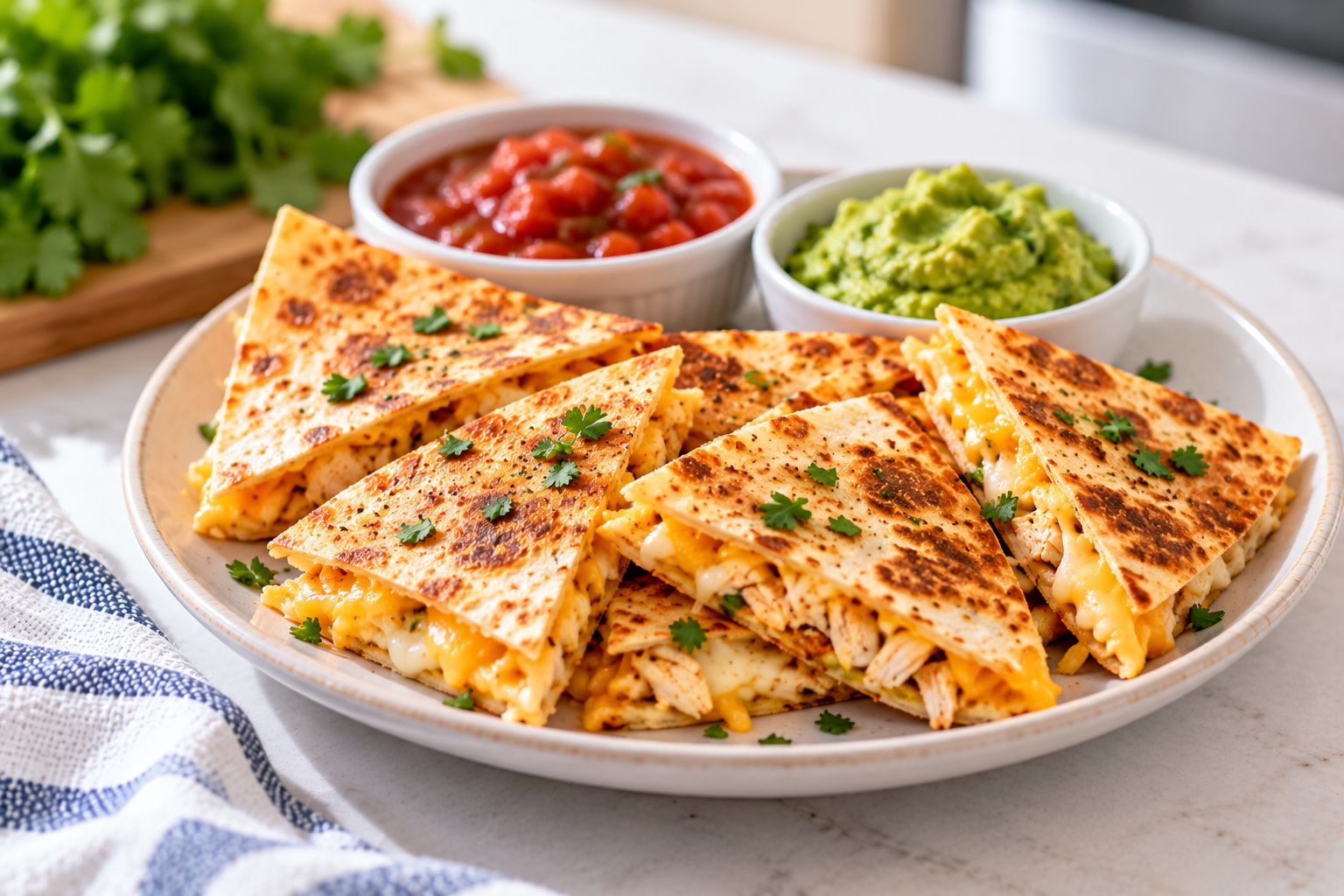
Here’s an option for the days when I want something warm but don’t necessarily want a traditional meal.
A small quesadilla can be considerably less intimidating than a plate full of chicken, rice, and vegetables.
And it’s easy to prepare using leftovers.
What I’d use:
- A small tortilla
- A little shredded chicken
- Shredded cheese
- Optional: Beans or a small amount of salsa
Put everything together, heat it in a skillet, and cut it into smaller pieces.
You can make one small quesadilla instead of preparing an entire meal.
And if chicken sounds unappealing that day, you could try a cheese-and-bean version.
This is also a good way to use leftover chicken without having to eat another traditional chicken dinner.
6. Turkey and Cheese Roll-Ups
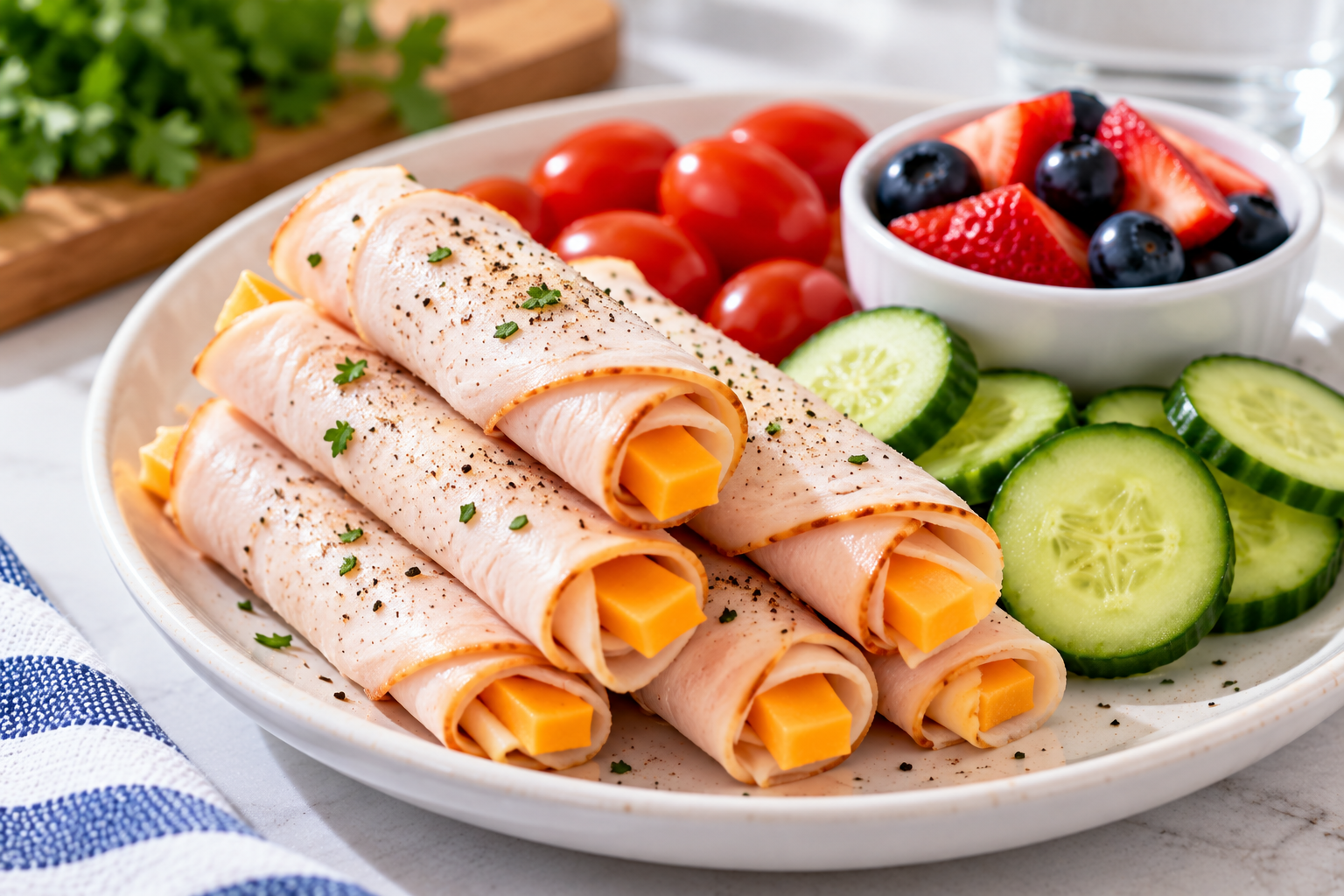
Sometimes, assembling a few ingredients is much more realistic than cooking.
That’s why I like the idea of turkey and cheese roll-ups.
There’s no complicated recipe.
Just a few ingredients you can keep in the refrigerator.
My simple lunch idea:
- Sliced turkey
- Cheese
- Whole-grain crackers
- A small serving of fruit or vegetables
Roll the turkey and cheese together, add a few crackers, and you’re done.
You could also use leftover roasted turkey or chicken instead of deli meat.
I wouldn’t rely on processed deli meat as my primary protein source every day, but it can be a convenient occasional option.
And convenience matters when the alternative is skipping lunch entirely.
7. Small Portions of Salmon or Tuna
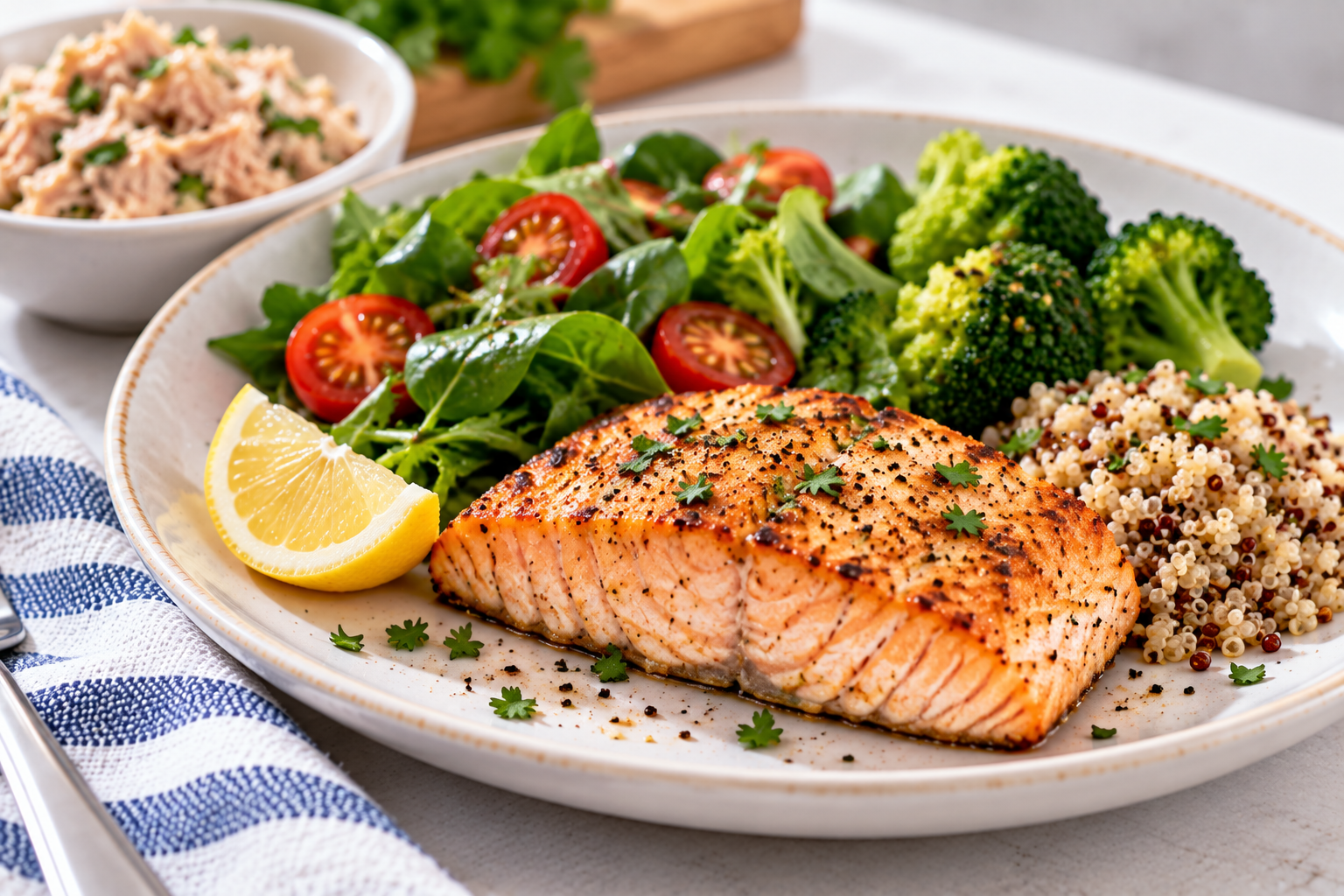
I know fish isn’t everyone’s favorite.
And when your appetite is low, it might be the last thing you want.
But I want to include it because eating a wider variety of foods is another goal of mine.
Fish provides protein, and certain varieties, including salmon, also contain beneficial omega-3 fatty acids.
The USDA’s MyPlate guidance encourages choosing a variety of protein sources, including seafood, eggs, beans, nuts, seeds, and lean meats.
A few simple ideas include:
- A small portion of baked salmon with rice
- Tuna mixed with a little Greek yogurt or mayonnaise and served with crackers
- A small salmon bowl with avocado and vegetables
- Salmon leftovers added to a simple wrap
I particularly like meals that can be assembled in smaller portions.
A huge plate of fish and vegetables might sound overwhelming.
A few bites of salmon with some rice?
That might be manageable.
For tuna, it’s also worth following FDA guidance on choosing lower-mercury fish, particularly for people who are pregnant or breastfeeding.
8. Snack Plates Instead of Traditional Meals
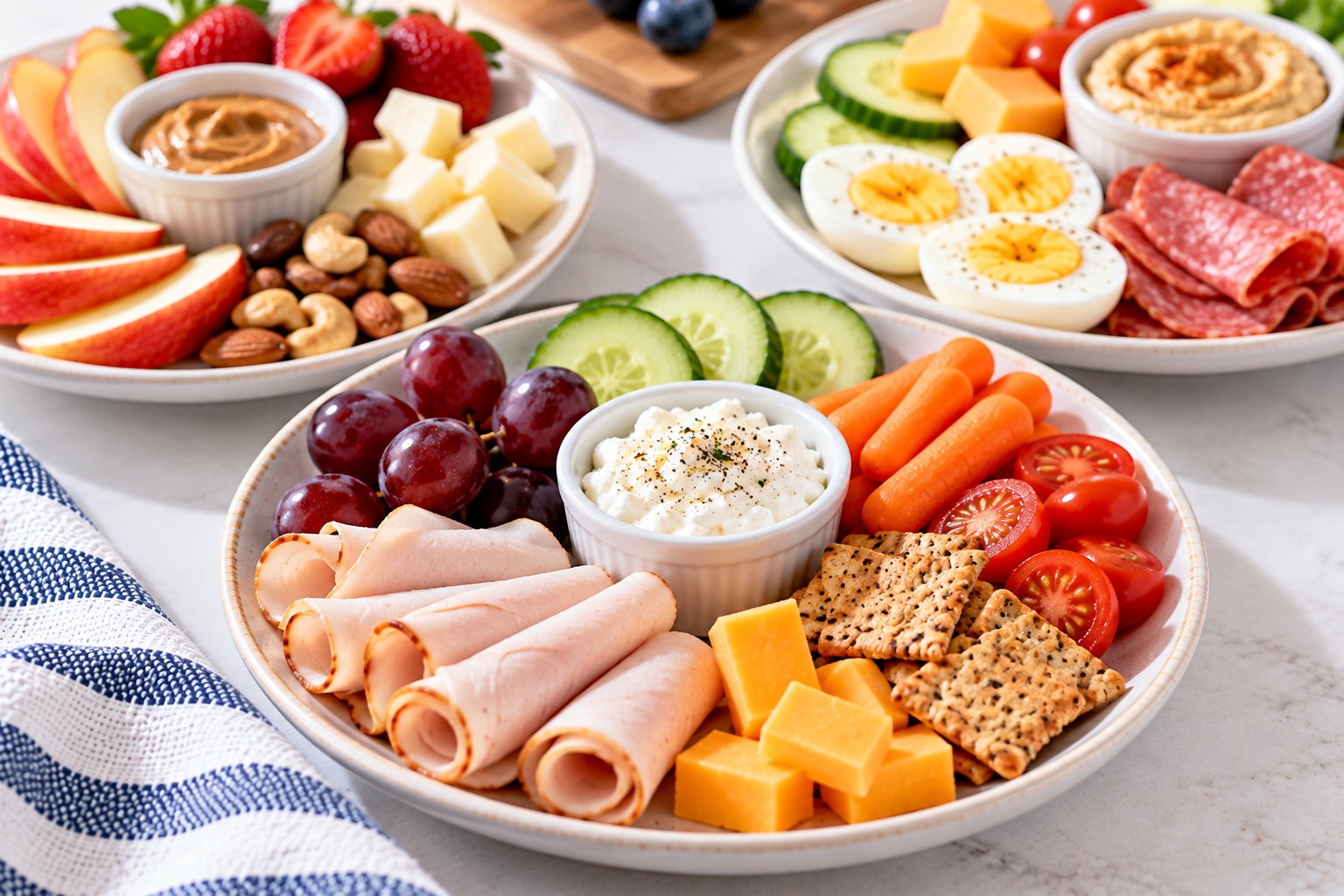
This might be my favorite idea of the entire article.
Because sometimes, I simply don’t want a meal.
I don’t want to sit down with a large plate of food.
I don’t want to cook.
And I certainly don’t want to eat something just because it’s technically lunchtime.
But I might be willing to eat a few different things.
That’s where a snack plate comes in.
My ideal snack plate might include:
- Cheese
- Whole-grain crackers
- A hard-boiled egg
- Hummus
- Strawberries or grapes
- A few vegetables
You could also substitute Greek yogurt, nuts, leftover chicken, or another protein source.
I like that there’s no requirement to finish everything at once.
You can eat what feels manageable and return to the rest later, following appropriate food-storage practices.
And if you choose a variety of foods, you’re getting more than protein alone.
You’re also including opportunities for fiber, vitamins, minerals, and other nutrients.
9. Keep a Few Emergency Protein Options Available
I’ve realized that one of my biggest challenges isn’t necessarily figuring out what foods contain protein.
It’s having something available when I actually feel like eating.
If the only protein source in my refrigerator is raw chicken that needs to be cooked, there’s a good chance I’m going to find something else.
Or nothing at all.
So I think keeping a few convenient options available is important.
My emergency protein list:
- Individual Greek yogurt containers
- Cottage cheese
- Eggs
- Cheese sticks
- Canned tuna or salmon
- Frozen edamame
- Beans and hummus
- Nut butter
- Ready-to-drink protein shakes, if appropriate
I particularly like the idea of keeping several options because my food preferences aren’t always consistent.
Something that sounds wonderful on Monday might sound absolutely terrible on Wednesday.
And that’s another reason I don’t want to create an overly restrictive meal plan.
I need flexibility.
10. Build a Simple Grocery List Around Foods You’ll Actually Eat
Here’s something else I’ve learned.
Buying healthy groceries and actually eating them are not the same thing.
I can purchase an entire refrigerator full of vegetables with the best intentions.
But if I don’t have a realistic plan for using them, they aren’t doing me much good.
So rather than creating an enormous shopping list, I want to focus on a handful of foods I know I’ll use.
My starting grocery list:
Protein options
- Greek yogurt
- Eggs
- Cottage cheese
- Milk
- Cheese
- Chicken
- Salmon or tuna
- Beans or hummus
Fruits and vegetables
- Frozen berries
- Bananas
- Strawberries
- Baby carrots
- Cucumbers
- Salad ingredients
Easy additions
- Whole-grain crackers
- Tortillas
- Whole-grain bread
- Granola
- Rice
- Nut butter
I’d also keep some frozen and shelf-stable options available.
They’re convenient, generally require less preparation, and can help reduce food waste.
Most importantly, I want to stop buying ingredients for an imaginary version of myself who enthusiastically prepares elaborate healthy meals every single day.
That person apparently doesn’t live at my house.
What About Protein Goals?
Here’s where I think it’s important to distinguish between general nutrition information and individual needs.
You can find countless recommendations online about exactly how many grams of protein you should consume.
But your needs depend on several factors, including your body size, activity level, health, and overall nutritional requirements.
And when you’re losing weight, particularly if your appetite is significantly reduced, protein is only one part of the equation.
You also need enough total food and a variety of nutrients.
The National Institute of Diabetes and Digestive and Kidney Diseases emphasizes maintaining a healthy eating pattern that includes vegetables, fruit, whole grains, dairy or suitable alternatives, and a variety of protein foods.
Rather than choosing an arbitrary protein target from social media, I’d prefer to establish an appropriate goal with a registered dietitian or healthcare professional.
Then I can use that target to help organize my meals and grocery shopping.
And if reduced appetite, fatigue, nausea, or difficulty eating regularly becomes an ongoing problem, it’s important to discuss that with a clinician. Trying to compensate with a protein shake isn’t a substitute for addressing the underlying issue.
Download My Free High-Protein Meal Ideas Printable
Some days, deciding what to eat feels like more work than actually preparing the food.
That’s why I’ve put together a free High-Protein Meal Ideas Printable featuring simple options for those days when your appetite is practically nonexistent.
Instead of complicated recipes or elaborate meal plans, I’ve organized everything into four easy categories:
- No Cooking Required: Simple combinations you can pull straight from the refrigerator.
- Drinkable Options: Smoothies and other convenient choices for days when a traditional meal doesn’t sound appealing.
- Small Warm Meals: Easy options that don’t require preparing an enormous plate of food.
- Easy Snacks: Quick ideas to keep available when you’re hungry but don’t feel like cooking.
It’s a simple, one-page reference you can print and keep in your kitchen.
Download Your Free High-Protein Meal Ideas Printable
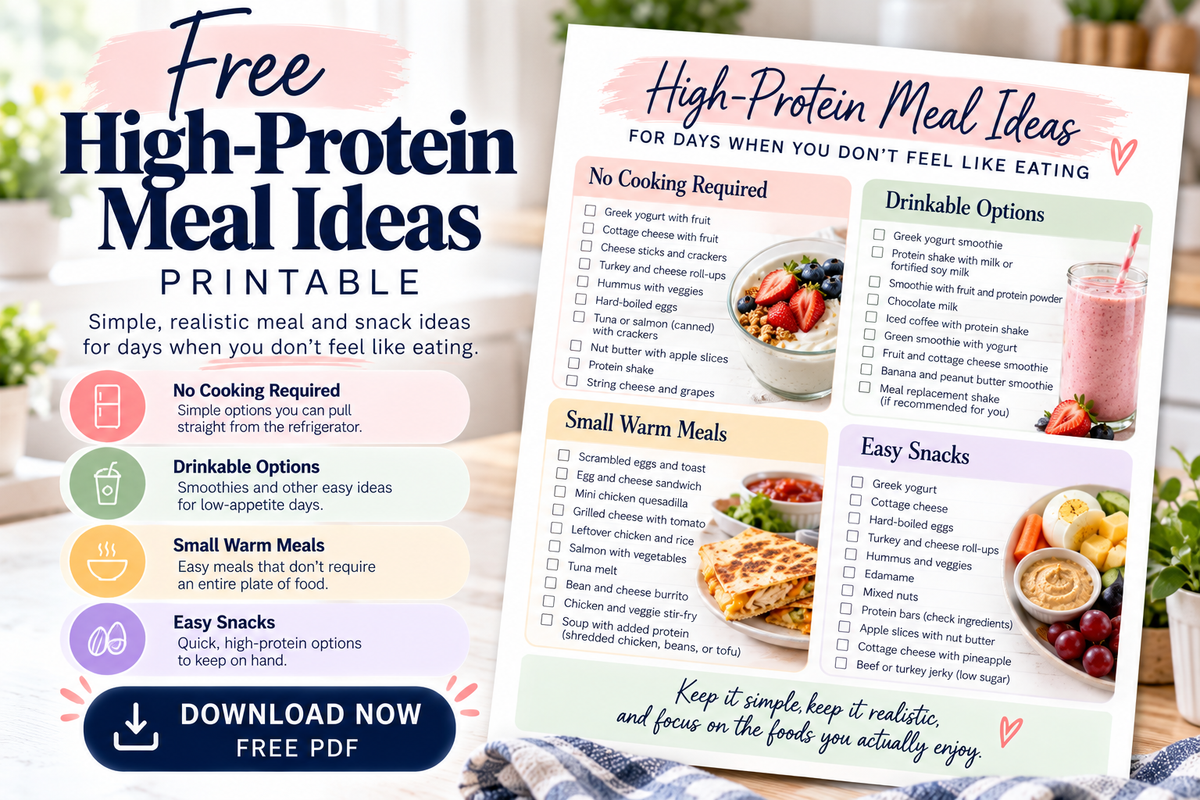
My suggestion? Circle a few options that actually sound good to you and add those ingredients to your next grocery order.
Because having a handful of dependable options available makes eating well a little easier, especially on the days when you don’t feel like eating at all.
My Goal Isn’t to Eat Perfectly
I think this is the biggest lesson I’m learning.
I don’t need another complicated meal plan.
I don’t need to prepare elaborate recipes every Sunday.
And I certainly don’t need to spend every day worrying about whether I’ve eaten the perfect combination of foods.
I need to eat consistently enough to support my health.
I need more variety.
I need to prioritize adequate nutrition while working toward my fitness goals.
And I need to recognize that some days are going to be easier than others.
That’s why I’m focusing on small, practical meals that don’t require much effort.
A yogurt bowl.
A smoothie.
A small quesadilla.
A snack plate.
None of these meals is particularly exciting.
But if they’re foods I can realistically prepare and eat, they’re a much better starting point than another ambitious meal plan that never makes it past Monday.
Because at this point in my journey, I’m not trying to become someone who eats perfectly.
I’m trying to become someone who eats well enough to feel good, stay healthy, and build strength.
And that’s a goal worth working toward.